Our research teaches a model to design for real machines, and every engine to write the file that machine runs — checked against the trade’s own facts.
FeaturedDesign · Digitisation
A peacock pallu, from a brief to 24,535 stitches
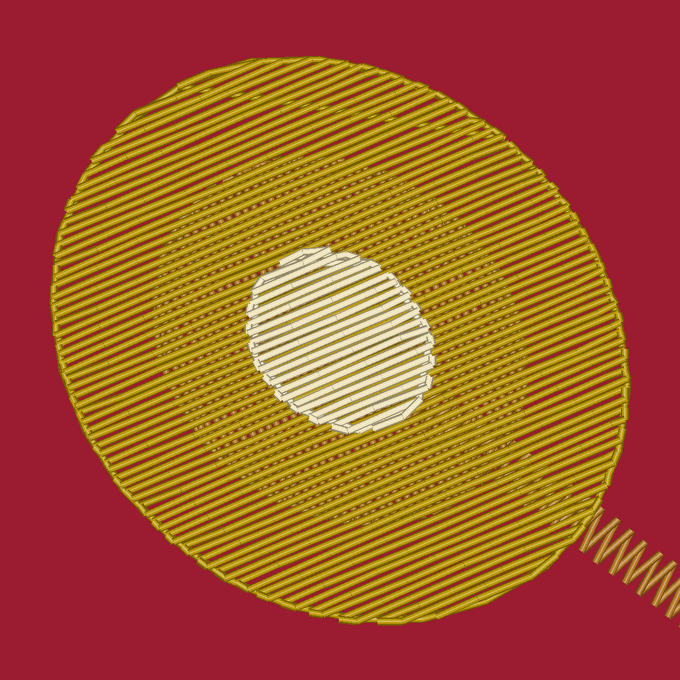
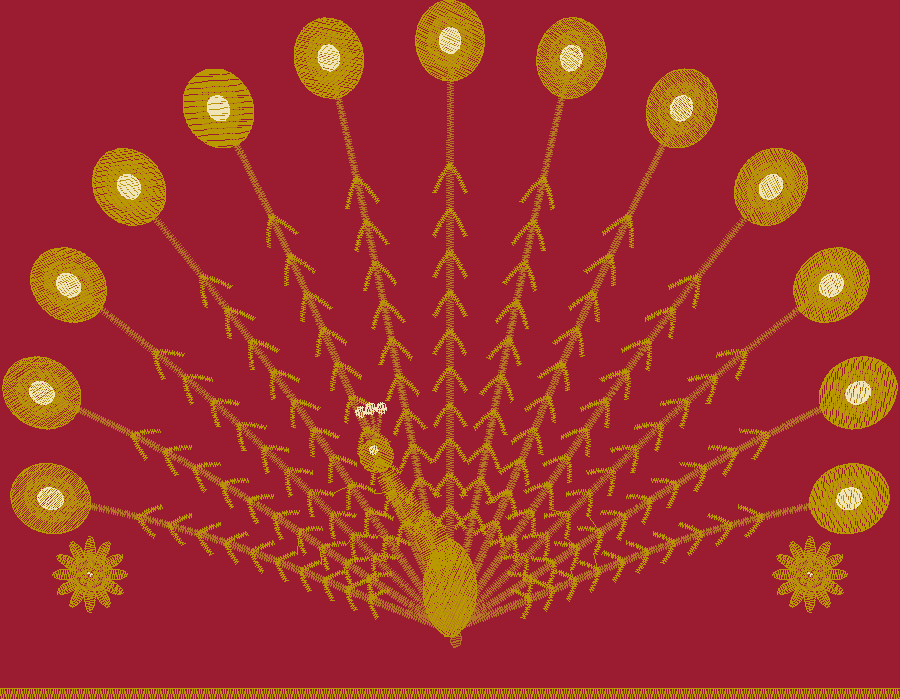
Mathical 1.0 drew the pallu from a brief. The embroidery engine planned every stitch for the cloth, wrote the file — 3 threads, 325 trims, 300 × 233 mm — and drew the design back from the file itself.
See the embroidery engine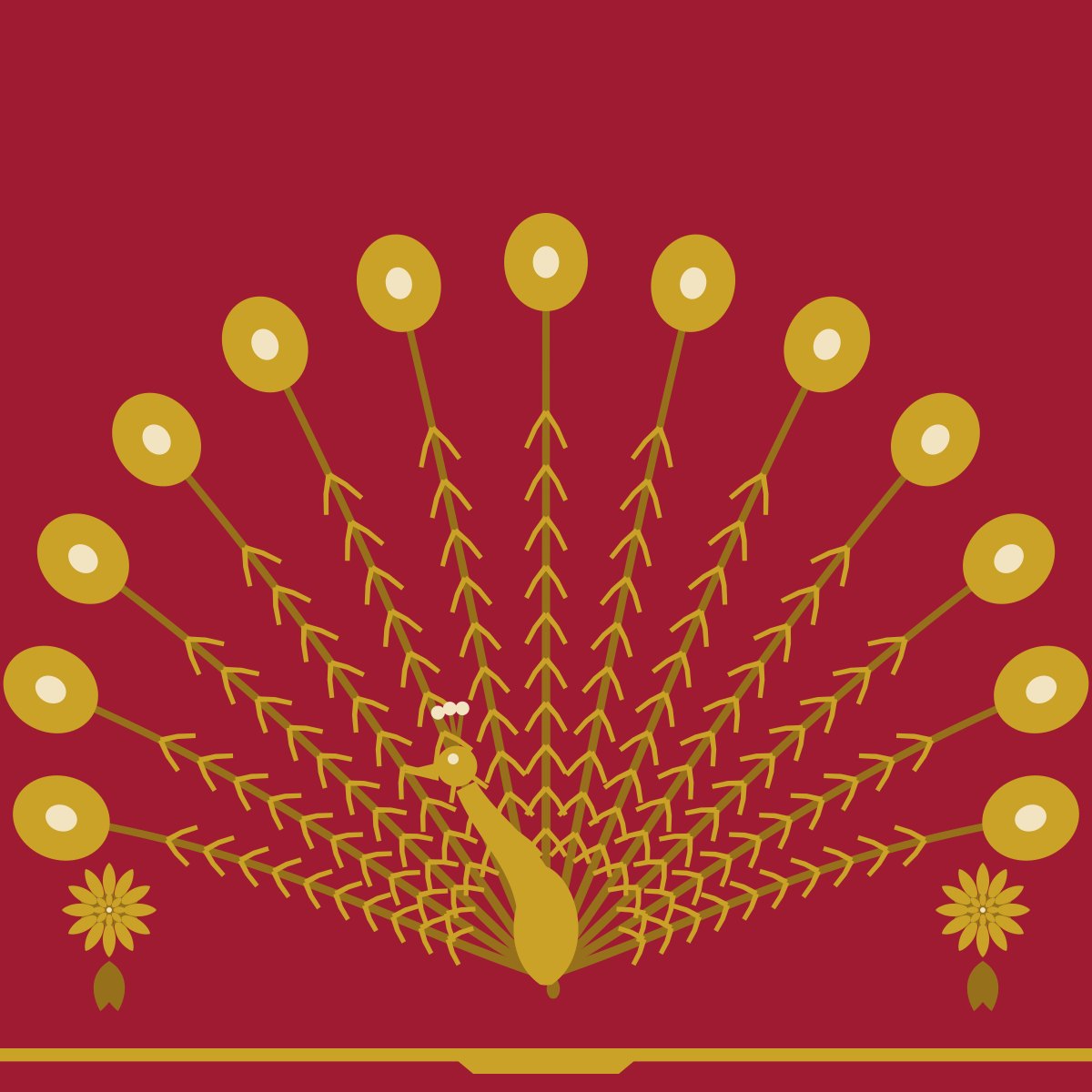
12 findings
Digitisation
Fewer trims, less thread
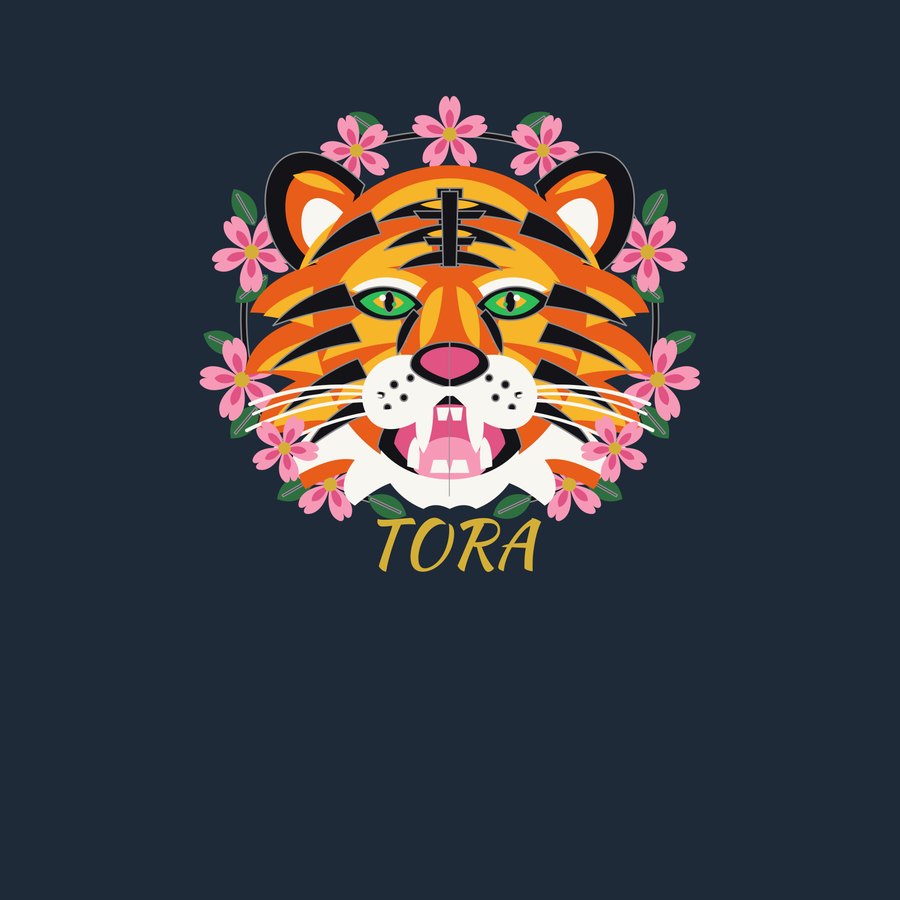
Sewing shapes centre-out by groups, with the travel hidden under later stitching, took one peony from 274 trims to 105.
Digitisation
Floats tied on the face and the back
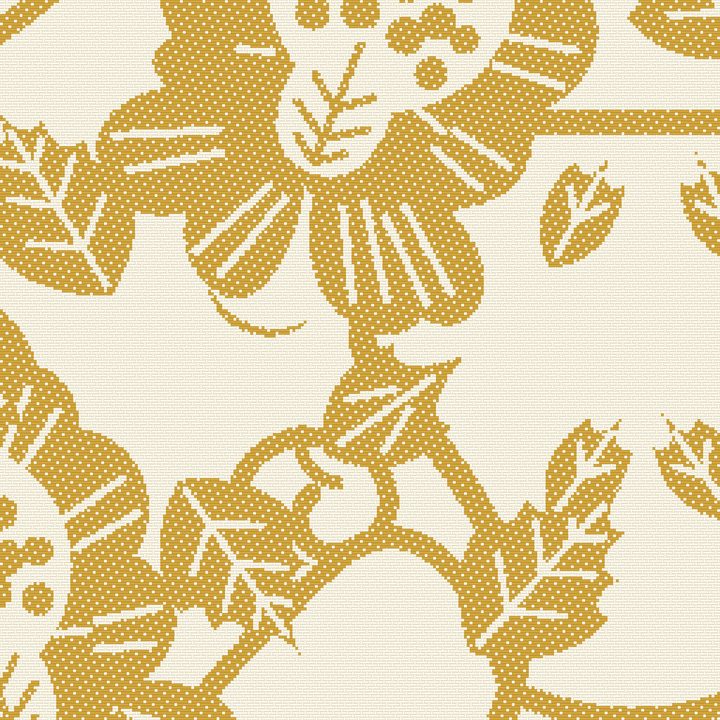
Every float is read in the order the loom weaves it and tied before the card is written. The brocade: 2,640 + 32 ends, 60 picks per inch, reed 57/2.
Digitisation
Yarn fitted to the gauge
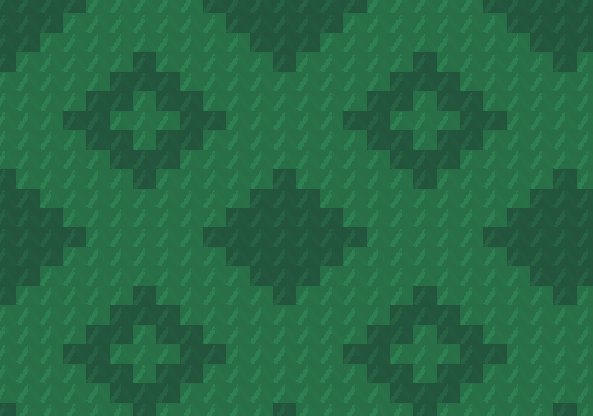
Every count is read as one true size and checked against the machine’s gauge: 28 Nm on a 14-gauge machine knits a 4.91 mm loop and a 240 gsm fabric.
Digitisation
One continuous line
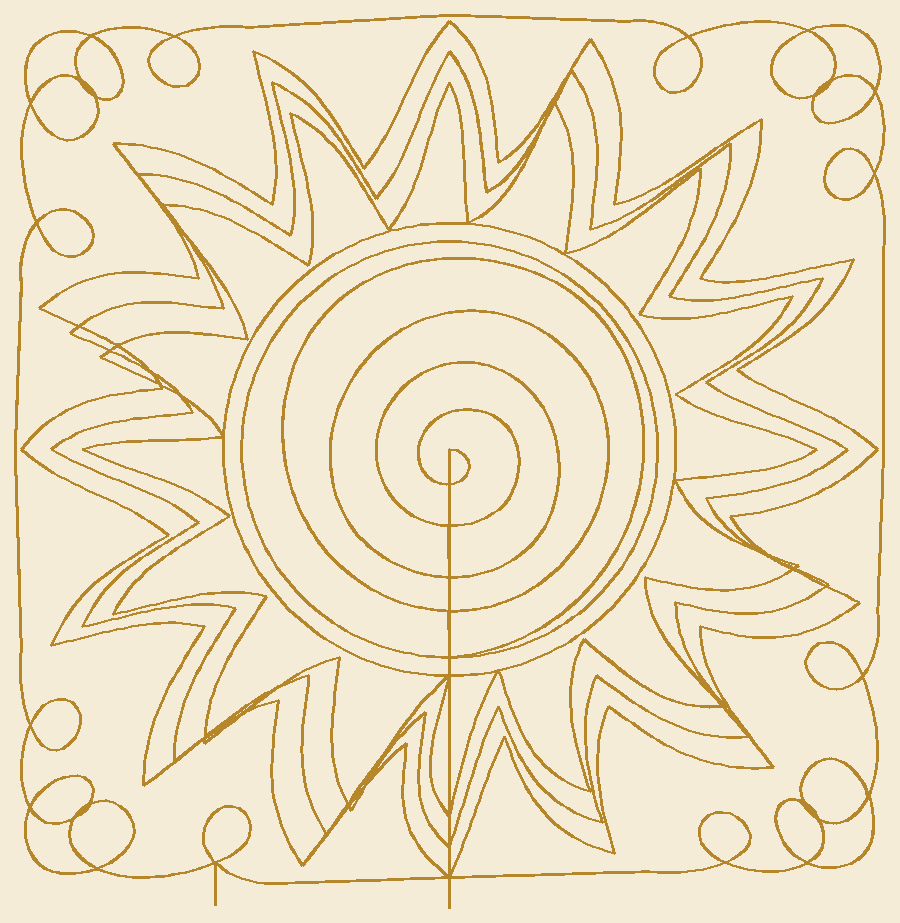
The sun design quilts as a single 14.9 m path with one start — spaced so the batting never shifts.
Digitisation
Pieces nested to the cloth
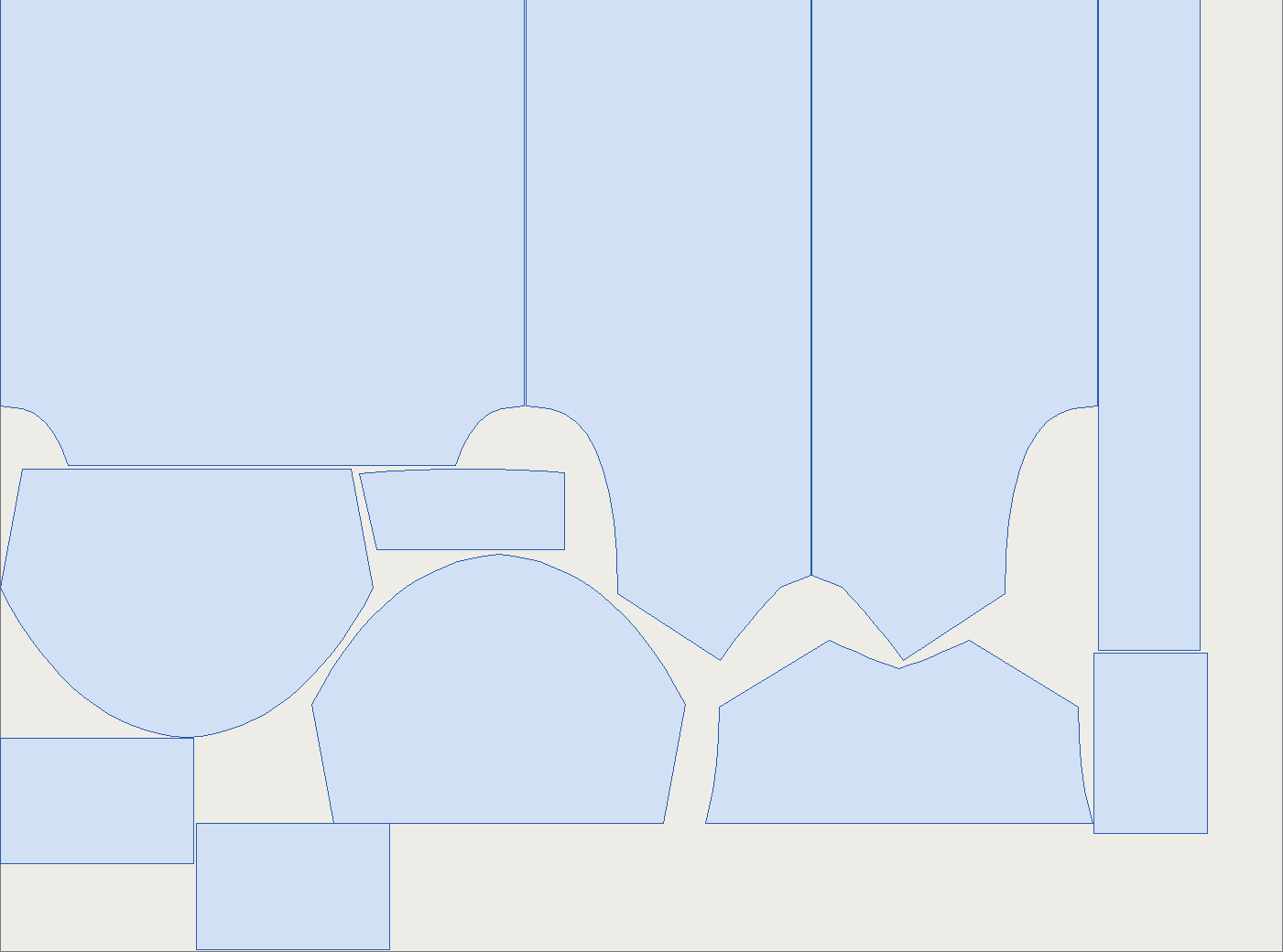
A dress shirt’s 11 pieces, graded S–XL, nested on a 1,500 mm cloth in a 1,145 mm marker.
Digitisation
A border fitted to the frame
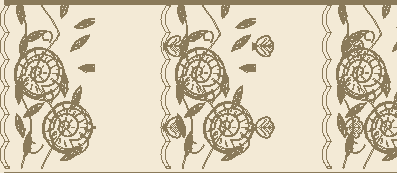
The rose border: 57,999 stitches across 726 × 140 mm and 1,125 needle moves, fitted to the frame’s rapport so every repeat joins.
Digitisation
Only as many stones as the cloth can carry
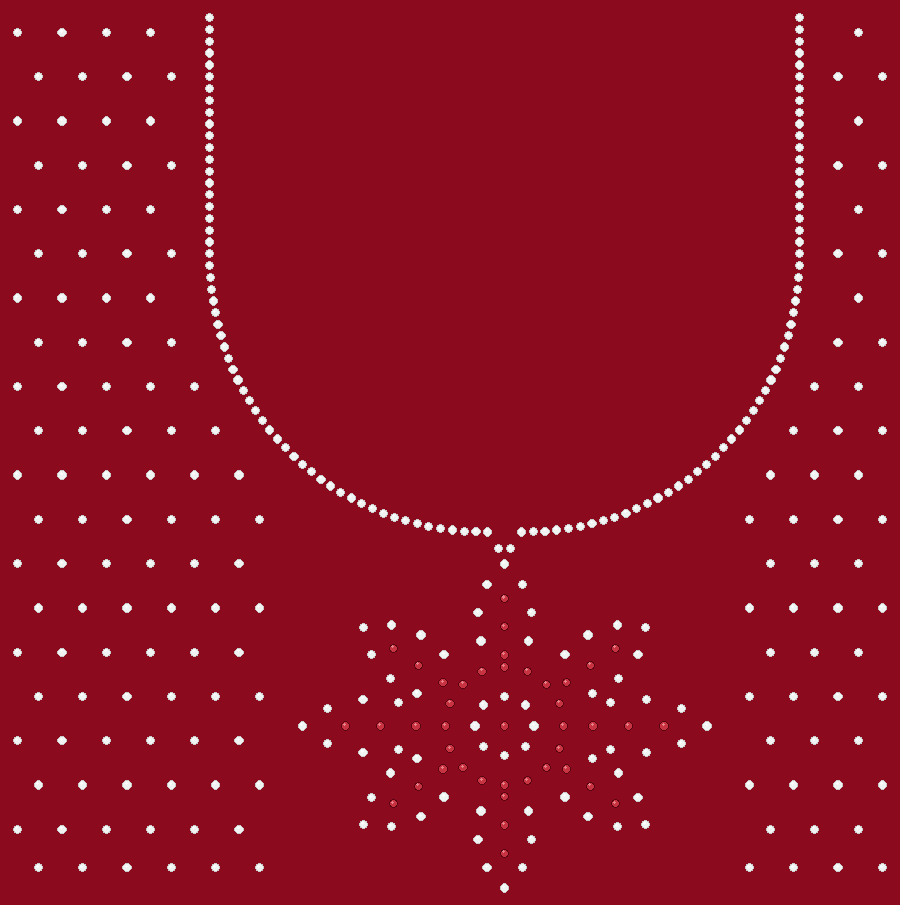
The bridal blouse back: 461 stones of 2.8 mm in two colours, across four hoopings, none touching.
Digitisation
Ink that fixes to every fibre
Reactive for cotton and viscose, acid for silk, wool and nylon, disperse for polyester — a polycotton printed reactive leaves its polyester white, so a press is offered only if its ink fixes to every fibre.
Colour
How close is close enough
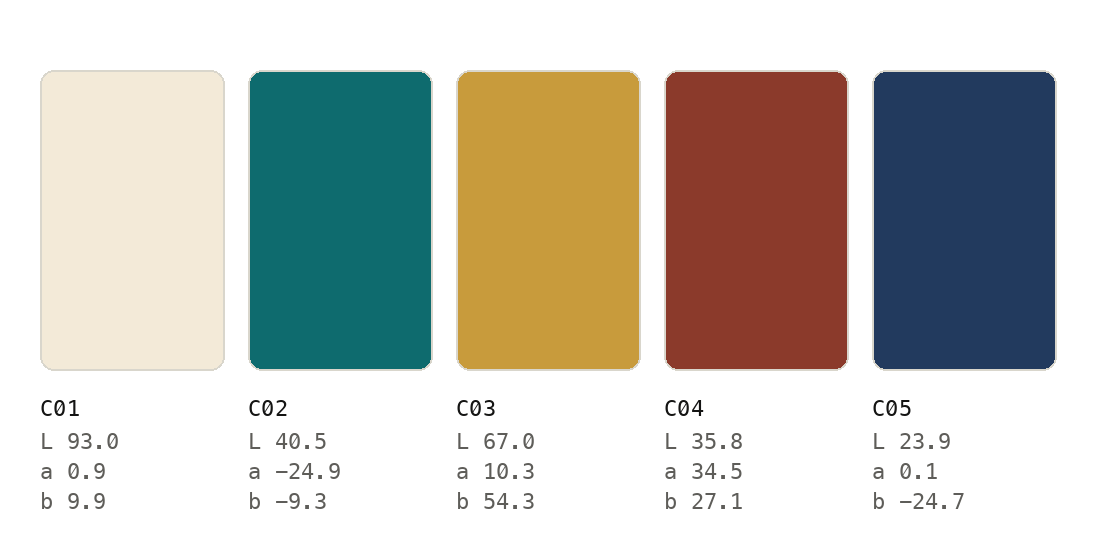
A teal beside itself shifted by exactly ΔE2000 1, 2, 3 and 4 — where a difference becomes visible, and why 2.0 is the default tolerance.
Colour Spec · teal
Target40.79 · −23.38 · −8.88
LightD65 · 2°
ToleranceΔE2000 2.0
Clothbanana fibre, 180 gsm
Lands at39.59 · −19.47 · −6.55
Colour
Where a colour lands on the cloth
The scarf’s teal, 40.79 · −23.38 · −8.88, is expected at 39.59 · −19.47 · −6.55 on banana fibre — the Colour Spec says so before the strike-off.
One tola
Indian legal standard11.6638 g
A bullion market12.5 g
Embroidery sellers10 g
5 tola of dabka50, 58 or 62 g
Material
The tola has three weights
11.6638 g by law, 12.5 g in a bullion market, 10 g to embroidery sellers. Five tola of dabka can be 50, 58 or 62 g — so PatternAI asks for grams or pieces.
Salwar kameez · womenswear
Directionrising
7-day+10%
Confidence82%
Sources4 of 8
Trends
A trend surfaces when sources agree
A movement is shown only once several unrelated public sources agree, and it arrives with its evidence: direction, momentum, confidence and its sources.
How we check our work
A finding is only as good as the check behind it. These four run on every file and every fact.
Read back
Every machine file is read back after it is written, and its preview is drawn from the file itself — not from the design.
Checked against its format
Each file is checked against its real format and the machine you chose before it can leave.
Measured colour
Colours are measured in L*a*b* and judged in ΔE2000 against their targets, with a colour card for the strike-off.
Sources kept
Every material fact keeps its source. A fact no maker or standard publishes is asked of you, never filled in.
Help build Mathical 1.0
Design, digitisation, colour and material — work on the model and the engines behind every machine file.