
Textile mills
Woven, printed or knitted cloth — every design gets the weave, the separation or the stitch it needs, and the file your loom, press or knitting machine runs.

What a mill takes on
Each cloth is made the way its process needs it: real weaves with every float tied, repeats that join in colours your ink can reach, stitches fitted to your gauge — so the first metre is the cloth you designed.
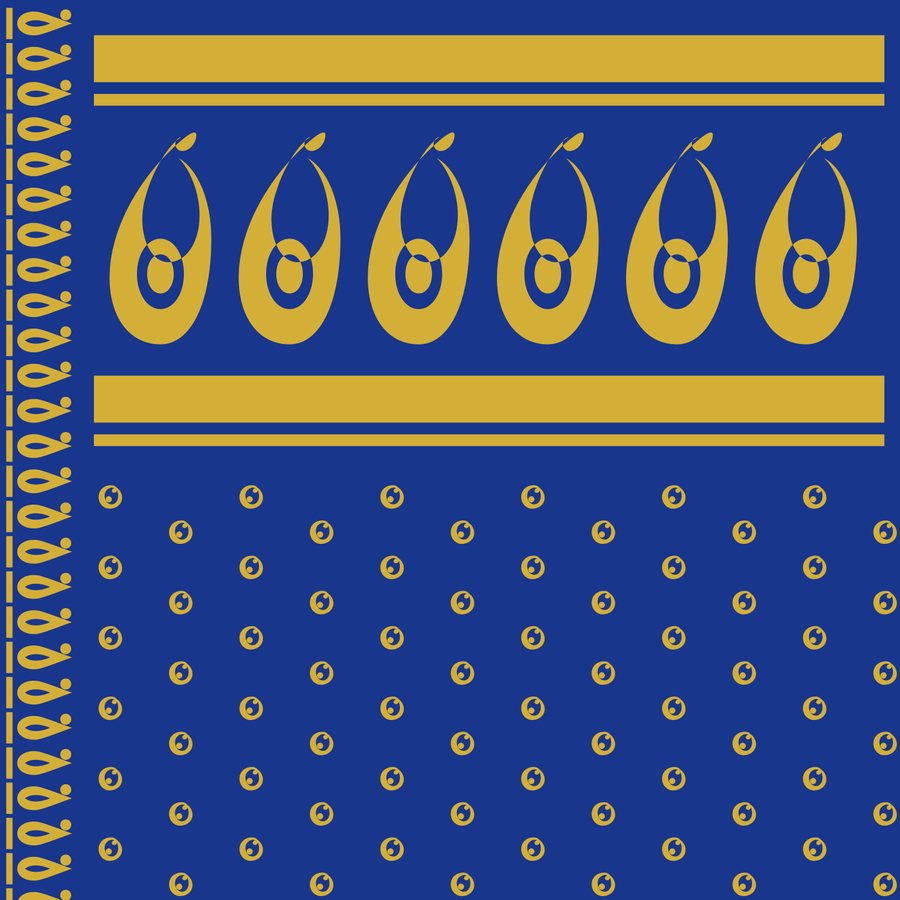
Navy silk saree, gold zari butis on the body, a paisley band at the pallu. Two wefts.
- Each area woven in its own weave — a satin ground, a twill figure
- Zari laid as its own extra weft, only where the motifs are
- Motifs outlined in plain weave, so their edges stay sharp
- Long floats found on the face and the back, and tied
- Card laid out to the loom’s hooks: selvedges, selectors and design
Real weaves, floats tied
Ground, figure, border and pallu each get their own weave. Every float is checked on the face and the back and tied before the card is written, and zari goes only where the motifs are.
Repeats that join
Straight, half-drop, brick and mirror repeats are checked across every seam — rotary repeats from 640 to 1,018 mm, digital prints up to 3.4 m wide.
Colour your ink can reach
Reactive for cotton and viscose, acid for silk, wool and nylon, disperse for polyester, pigment for blends — every colour checked on your cloth, with a colour card for the strike-off.
Long cloth, one order
A whole saree or a run of yardage is woven as several loom files, end to end, with the seams tied and one weft order across them all.
What each process receives
Every cloth leaves with the file its machine runs and the sheet the floor sets up from.
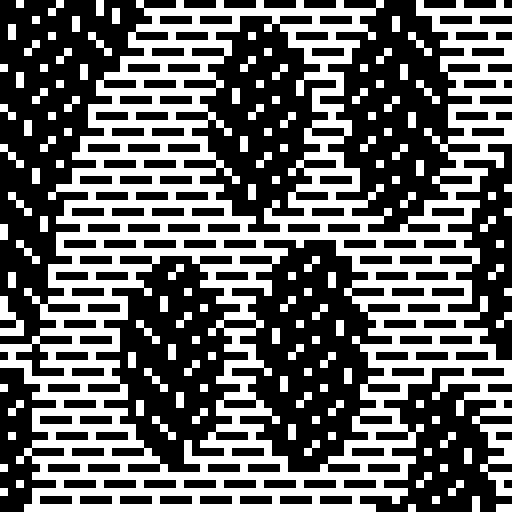 BMP · WIF
Weave
A loom card or a dobby lifting plan, with a loom setup sheet, a woven preview and a strike-off when you ask.
See the engine TIFF
A print-ready file for your press’s inks, with a quality report, a colour card and a strike-off to approve.
See the engineMachine programKnit
A knitting program in your machine’s own language, with a knitting sheet, a fabric preview and a threading list.
See the engineRuns on your looms, presses and knitting machines
Give your loom setup, press or gauge when you start. The design is never redrawn to fit the machine — the machine is set to make the design.
Jacquard looms, 2,688 to 25,600 hooks
A loom-ready card laid out to your loom’s hook map when your loom setup gives it — otherwise an open card for each weft.
Rapier, air-jet and water-jet dobby looms
A WIF draft with its tie-up and lifting plan.
Terry looms
A WIF terry draft, with the pile and ground warps.
Digital fabric printers, up to 3.4 m wide
A print-ready TIFF separated for the printer’s own inks.
Rotary, flatbed and hand-table screens
One separation per colour for the engraver; rotary repeats from 640 to 1,018 mm.
Flat knitting machines, 5 to 21 gauge
A knitting program in the machine’s own language, with the open knitout file.
How a job runs
The same four steps for every engine, from the first choice to the file on your machine.
01
Set up the job
Choose the engine, your machine and the cloth or yarn. Every decision after this is made for that setup.
02
Describe it
In your own words, or bring artwork, a photo, a sketch or a tech pack — or start from a live trend.
03
Questions first
Whatever the brief leaves open is asked before the design is drawn, never after.
04
Download the file
Your machine’s own file, read back before you get it, with the sheet your floor works from.
Running more than one mill?
Frequently asked questions
What file does my loom get?
Can we weave zari?
How long can the cloth be?
Which ink suits our fabric?
Can we get one screen per colour?
Will our yarn work on our knitting machine?
How is PatternAI priced?
Can my whole team use it?
From a design to the cloth on your loom, press and knitting machine
Free to start. Pro and Max plans available.